Benefits of Red Light Therapy for Restful Sleep
- Marissa Molina

- May 13
- 4 min read
Sleep is a vital component of our overall health and well-being. Yet, many people struggle to achieve the restful sleep they need. With the rise of technology and the stresses of modern life, sleep disturbances have become increasingly common. One promising solution that has gained attention in recent years is red light therapy. This innovative treatment offers a range of benefits that can help improve sleep quality and promote a more restful night.
What is Red Light Therapy?
Red light therapy (RLT) involves exposing the body to low levels of red or near-infrared light. This non-invasive treatment is thought to stimulate cellular function, enhance energy production, and promote healing. RLT has been used in various medical and wellness applications, including skin rejuvenation, pain relief, and muscle recovery. However, its potential benefits for sleep are particularly noteworthy.
How Red Light Therapy Works
The science behind red light therapy is rooted in its ability to penetrate the skin and affect cellular processes. When red light is absorbed by the mitochondria in our cells, it can enhance ATP (adenosine triphosphate) production. ATP is the energy currency of the cell, and increased levels can lead to improved cellular function and repair.
Additionally, red light therapy may help regulate the body's circadian rhythm, which is essential for maintaining a healthy sleep-wake cycle. By influencing melatonin production, RLT can help signal to the body when it's time to sleep, leading to more restful nights.
Benefits of Red Light Therapy for Sleep
1. Improved Sleep Quality
One of the most significant benefits of red light therapy is its ability to enhance sleep quality. Studies have shown that exposure to red light can increase the duration of deep sleep, which is the most restorative phase of the sleep cycle. This improvement can lead to feeling more refreshed and alert upon waking.
2. Reduced Sleep Onset Latency
Many people struggle to fall asleep quickly, often lying awake for extended periods. Red light therapy can help reduce sleep onset latency, allowing individuals to fall asleep faster. By promoting relaxation and reducing anxiety, RLT creates a conducive environment for sleep.
3. Enhanced Melatonin Production
Melatonin is a hormone that plays a crucial role in regulating sleep. Red light therapy has been shown to stimulate melatonin production, helping to signal to the body that it's time to wind down. This is especially beneficial for those who have difficulty falling asleep due to irregular sleep patterns or exposure to artificial light.
4. Alleviation of Sleep Disorders
For individuals suffering from sleep disorders such as insomnia or sleep apnea, red light therapy may offer a natural alternative to medications. By addressing underlying issues such as anxiety and stress, RLT can help create a more peaceful sleep environment.
5. Reduced Symptoms of Seasonal Affective Disorder (SAD)
Seasonal Affective Disorder is a type of depression that occurs during specific seasons, often in winter when natural light is limited. Red light therapy can help alleviate symptoms of SAD by mimicking natural sunlight, which can improve mood and promote better sleep.
How to Use Red Light Therapy for Better Sleep
1. Choose the Right Device
There are various red light therapy devices available, including handheld units, lamps, and full-body panels. When selecting a device, consider factors such as the wavelength of light, intensity, and ease of use. Look for devices that emit light in the range of 600 to 650 nanometers for optimal results.
2. Establish a Routine
Consistency is key when it comes to reaping the benefits of red light therapy. Aim to incorporate RLT into your nightly routine, ideally 30 minutes to an hour before bedtime. This will help signal to your body that it's time to relax and prepare for sleep.
3. Create a Relaxing Environment
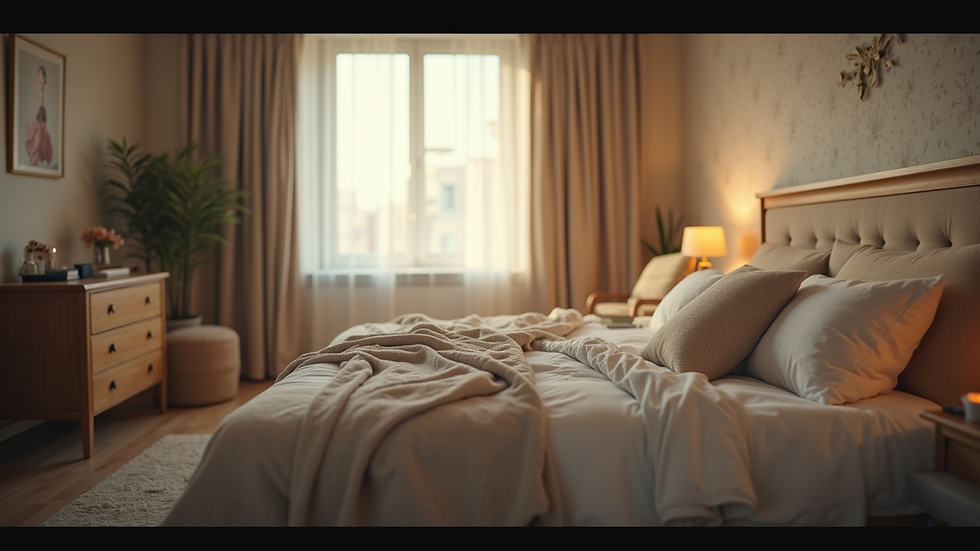
To maximize the effects of red light therapy, create a calming atmosphere in your bedroom. Dim the lights, eliminate distractions, and consider incorporating calming scents such as lavender. This will enhance the relaxation effects of RLT and promote a restful sleep environment.
4. Combine with Other Sleep Hygiene Practices
While red light therapy can be a powerful tool for improving sleep, it's essential to combine it with other sleep hygiene practices. This includes maintaining a consistent sleep schedule, limiting screen time before bed, and creating a comfortable sleep environment.
Potential Side Effects and Considerations
While red light therapy is generally considered safe, it's essential to be aware of potential side effects. Some individuals may experience mild skin irritation or discomfort during treatment. It's advisable to start with shorter sessions and gradually increase the duration as your body adjusts.
Additionally, consult with a healthcare professional before starting red light therapy, especially if you have underlying health conditions or are pregnant.
Conclusion
Red light therapy offers a promising solution for those seeking restful sleep. By improving sleep quality, reducing sleep onset latency, and enhancing melatonin production, RLT can help individuals achieve the restorative sleep they need. As you explore this innovative therapy, remember to create a relaxing environment and combine it with other sleep hygiene practices for the best results.
Take the first step towards better sleep today by considering red light therapy as part of your nightly routine. Your body will thank you for it!


Comments